Designing for Sandy Loam Soil in Cheshire
While much of Cheshire is characterised by clay, there are areas — particularly on lighter ground and parts of the Wirral — where sandy loam soils prevail. These soils behave differently, draining more freely and warming earlier in spring.
Sandy loam can provide excellent growing conditions when approached thoughtfully. Successful planting design in these soils depends on balancing drainage with moisture retention and selecting species suited to lighter, more open ground.
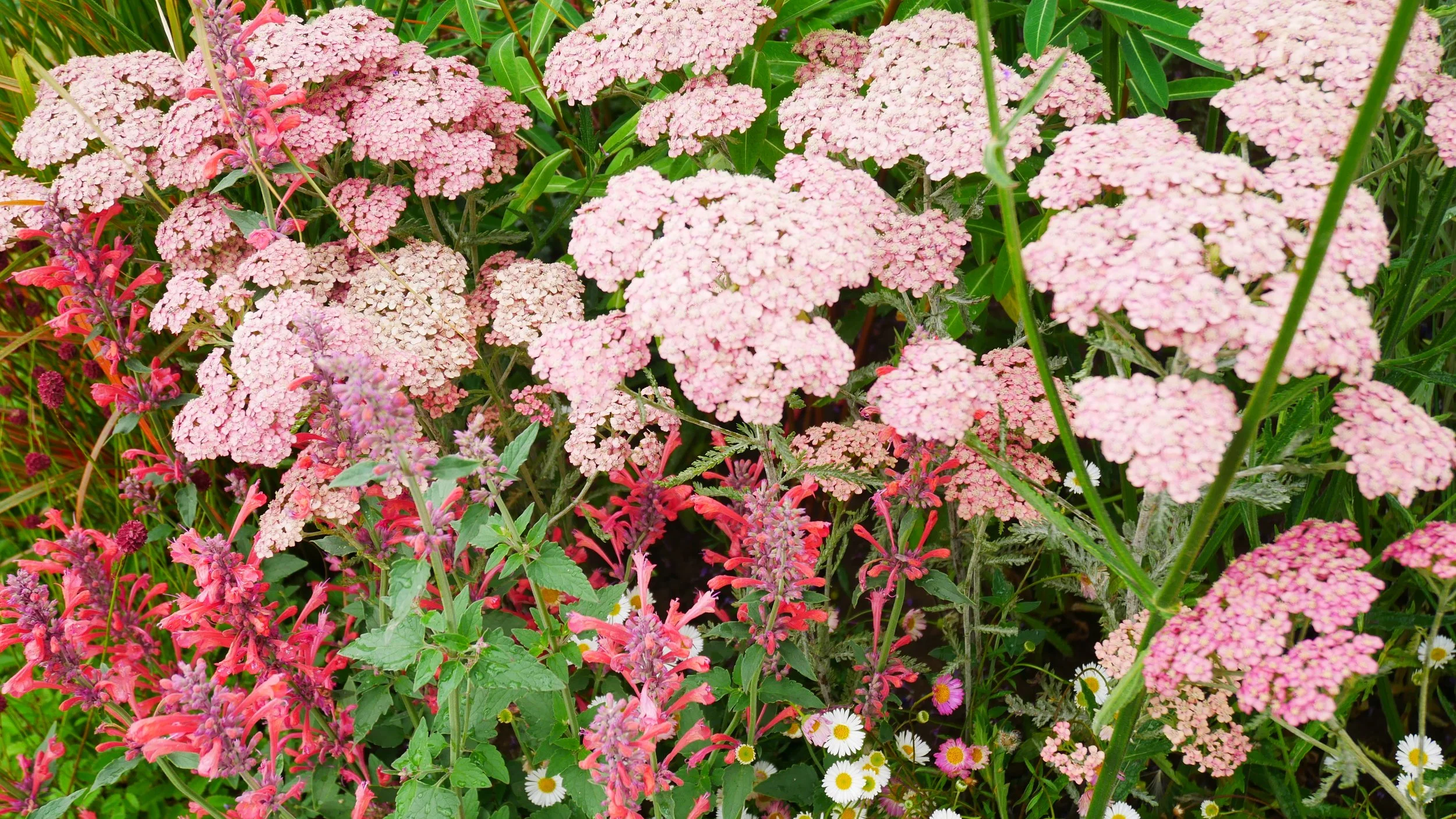
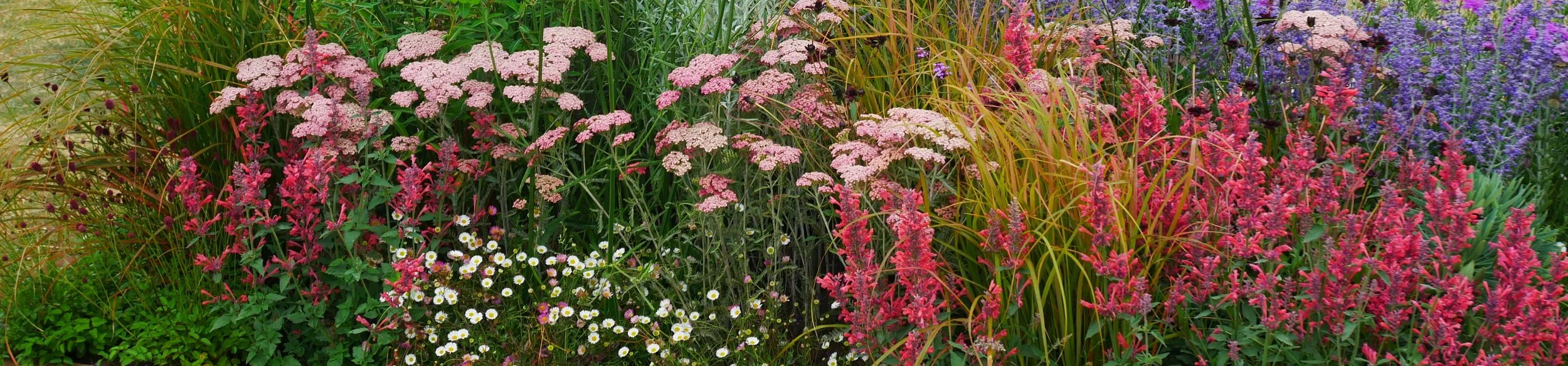
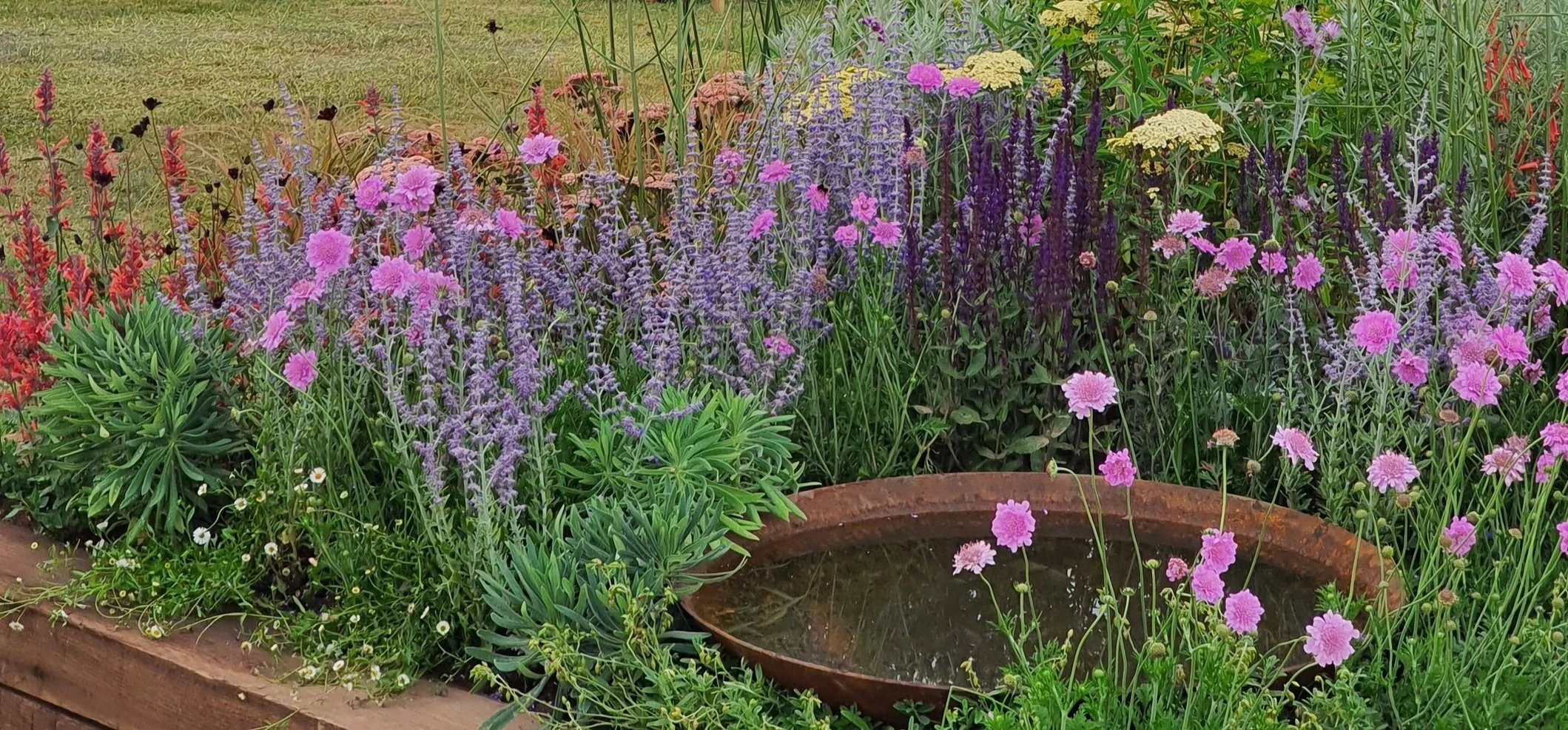
Tutti fruitti, sandy cutie. A bold pastel coloured planting design specifically for sandy soils RHS Tatton 2022 Show feature
Understanding Sandy Loam
Sandy loam is typically a balanced mixture of sand, silt and organic matter. It drains efficiently, is workable for much of the year and allows roots to establish with relative ease.
Its free-draining nature, however, means moisture and nutrients can move through the soil more quickly than in clay. Without careful preparation, planting may struggle during extended dry periods.
Soil Preparation and Management
Rather than replacing soil, improvement is usually achieved through the gradual incorporation of organic matter. This increases water retention while maintaining good drainage.
Mulching plays an important role in sandy loam gardens, helping to regulate moisture levels and protect soil structure. In exposed settings, wind can accelerate drying, so planting density and ground cover are also considered carefully.

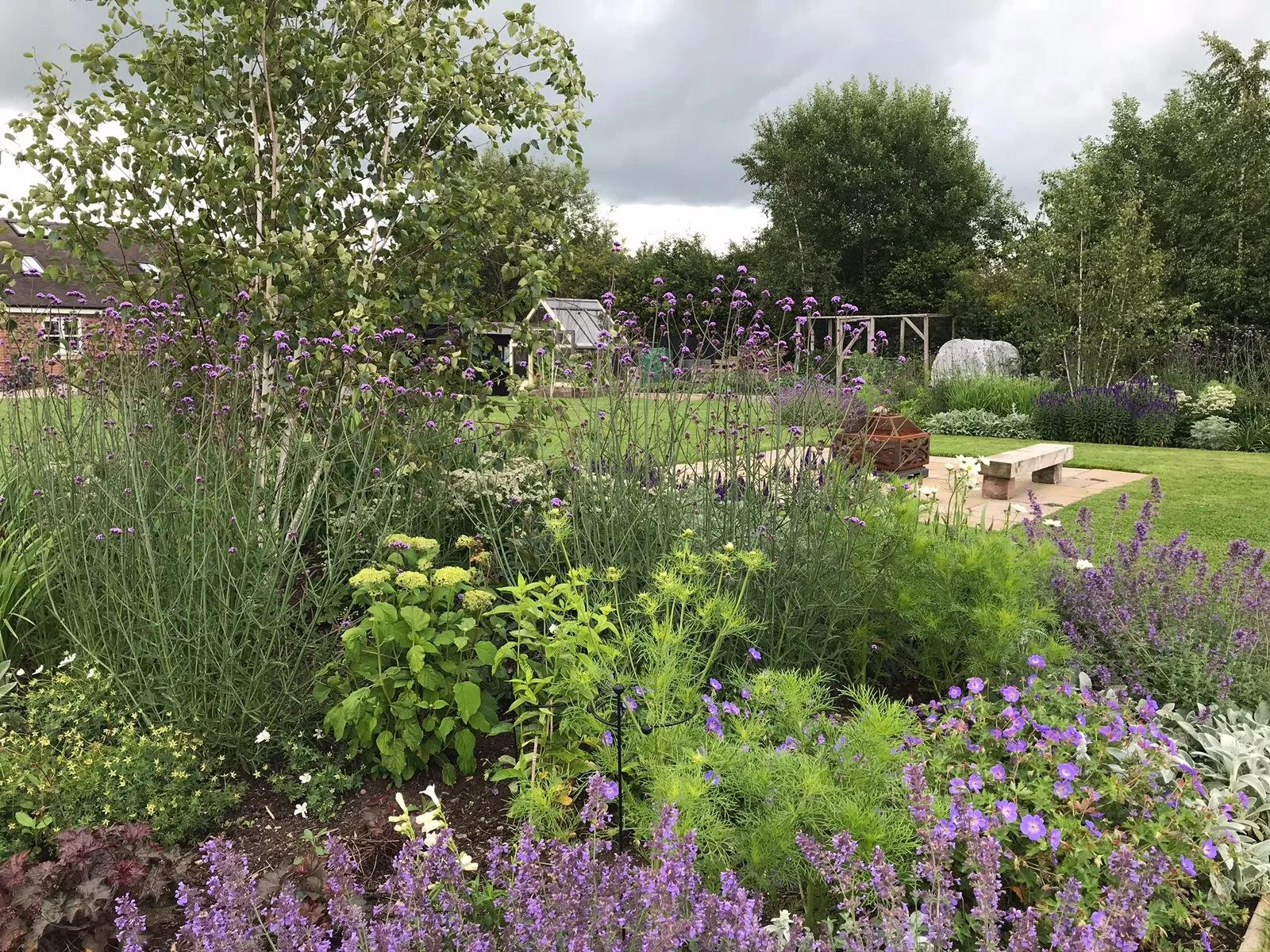
Setting out complete now planting begins at a large garden in Frodsham
Planting for Lighter Soils
Sandy loam soils support a wide range of species, particularly those that prefer sharp drainage.
Structural framework
Light-canopied trees such as Amelanchier or Betula can establish well in these conditions, providing dappled shade and seasonal interest. In sheltered positions, evergreen shrubs such as Pittosporum offer year-round structure. Mediterranean or silver-leaved plants, including Lavender and Santolina, often thrive where drainage is reliable
Perennials and grasses
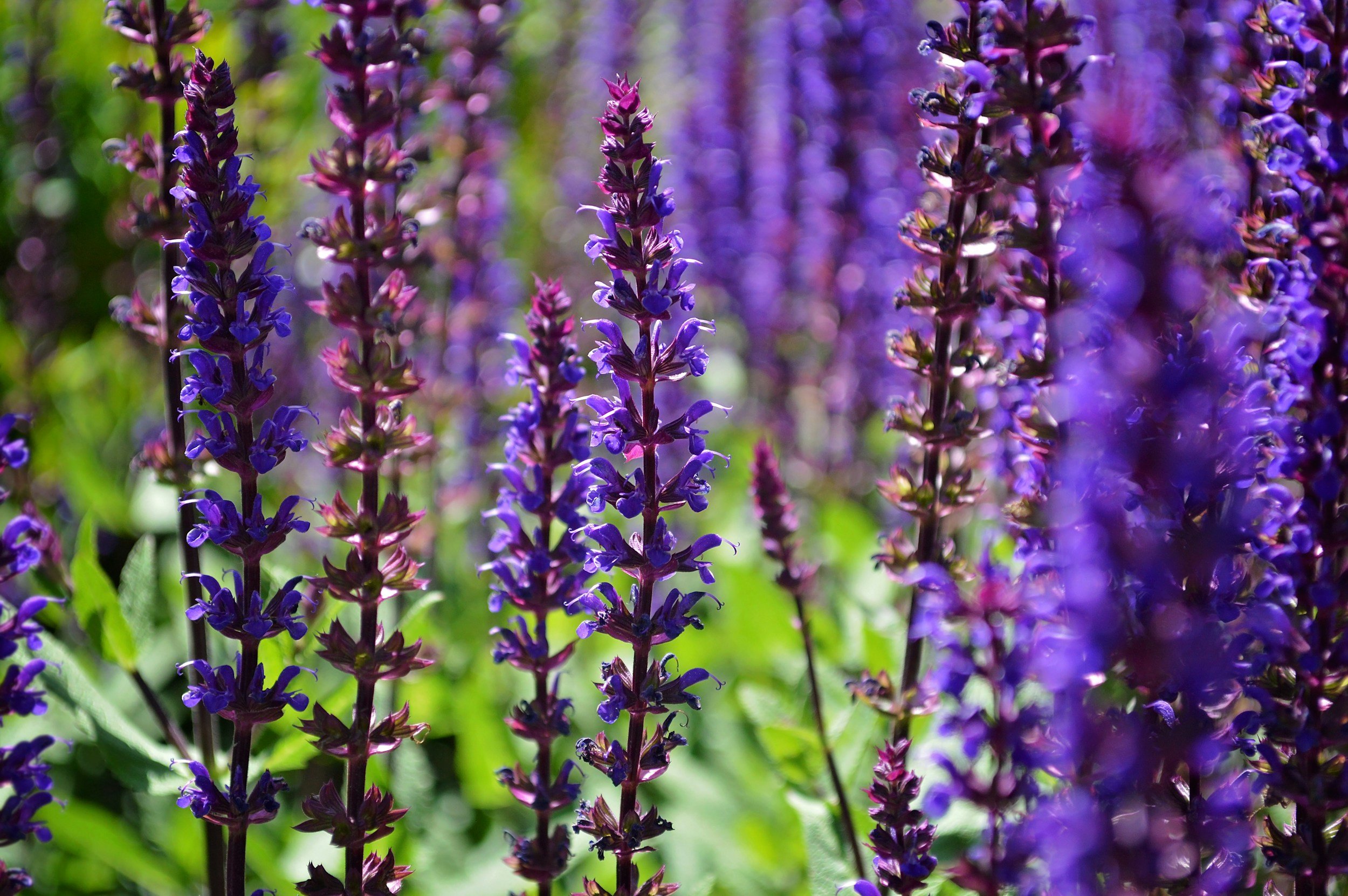
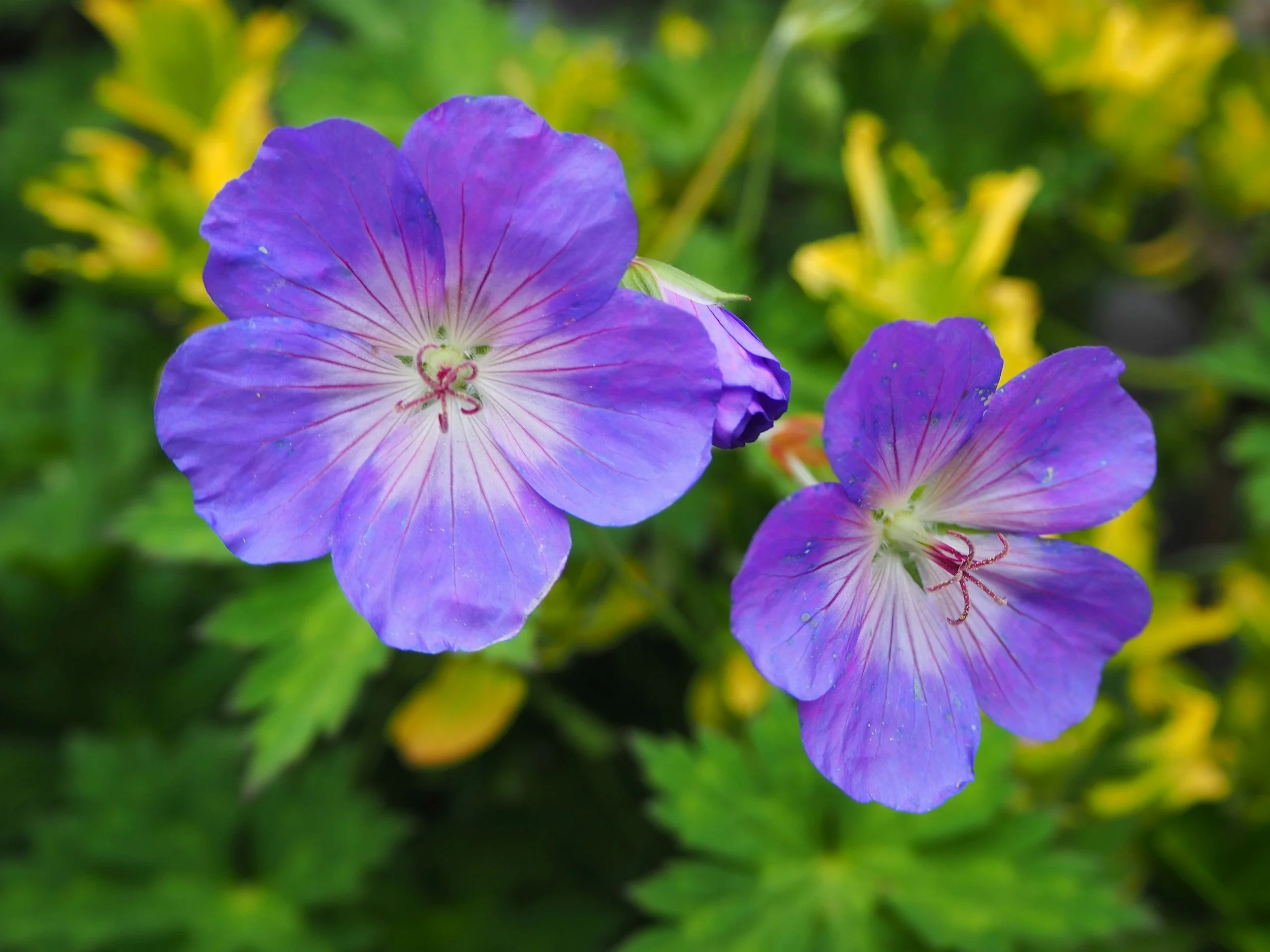
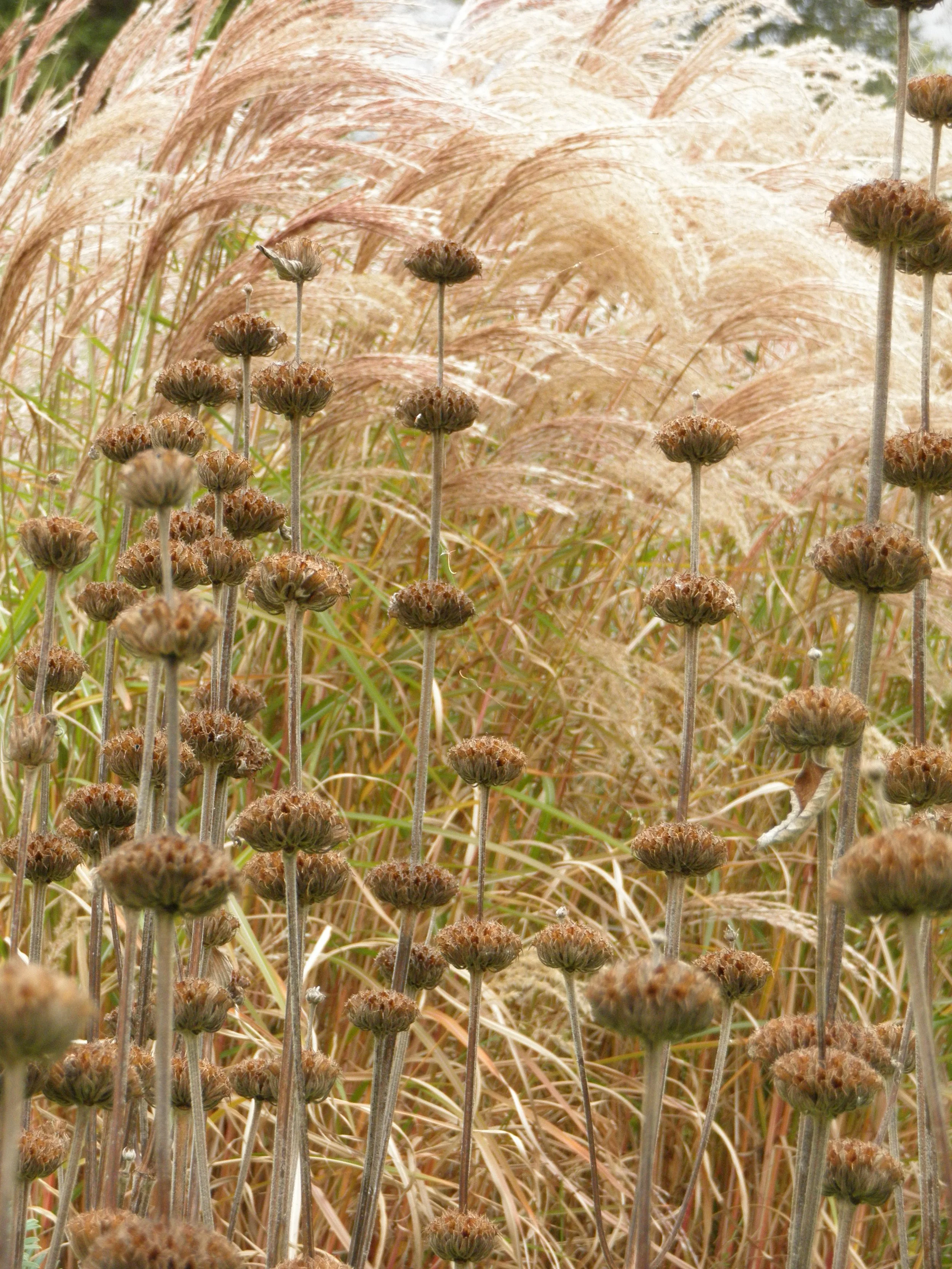
Salvia, Nepeta and Verbena bring movement and longevity to sunny borders. Achillea and Echinacea contribute structure and colour through summer. Ornamental grasses such as Stipa and Calamagrostis add texture and respond beautifully to light and wind.
The intention is not exuberance, but balance — planting that feels suited to the soil and responsive to its character.
Seasonal Considerations
Sandy loam warms earlier in spring, allowing early planting and strong initial growth. In summer, however, irrigation strategies and mulching become increasingly important, particularly in newly established schemes.
Thoughtful species selection ensures the garden remains resilient during drier periods, reducing reliance on supplementary watering over time.
A Long-Term Perspective
Lighter soils often allow planting to establish more quickly than heavier ground. With appropriate preparation and attentive care during the first few seasons, sandy loam gardens can develop depth and maturity with relative ease.
A considered planting scheme — structured, layered and responsive to local conditions — allows sandy soils to become an asset rather than a limitation.
