WHY DESIGN COMES FIRST
A garden is often thought of in terms of what will be built.
Stone terraces. Steps. Walls. Planting.
But long before any of this takes shape, there is a quieter, more fundamental stage — where the garden is considered, resolved, and understood.
Design comes first.

Without it, decisions are made in fragments.
A terrace is positioned without full consideration of how it relates to the house. Materials are chosen before levels are resolved. Planting is added once construction is underway, rather than forming part of a cohesive whole.
Each decision may feel reasonable in isolation.
But over time, the garden begins to lose clarity.
A considered design process does something different.
It brings structure before construction.
It allows the garden to be understood as a complete composition — one where movement, proportion, and materiality are resolved together, rather than retrospectively.
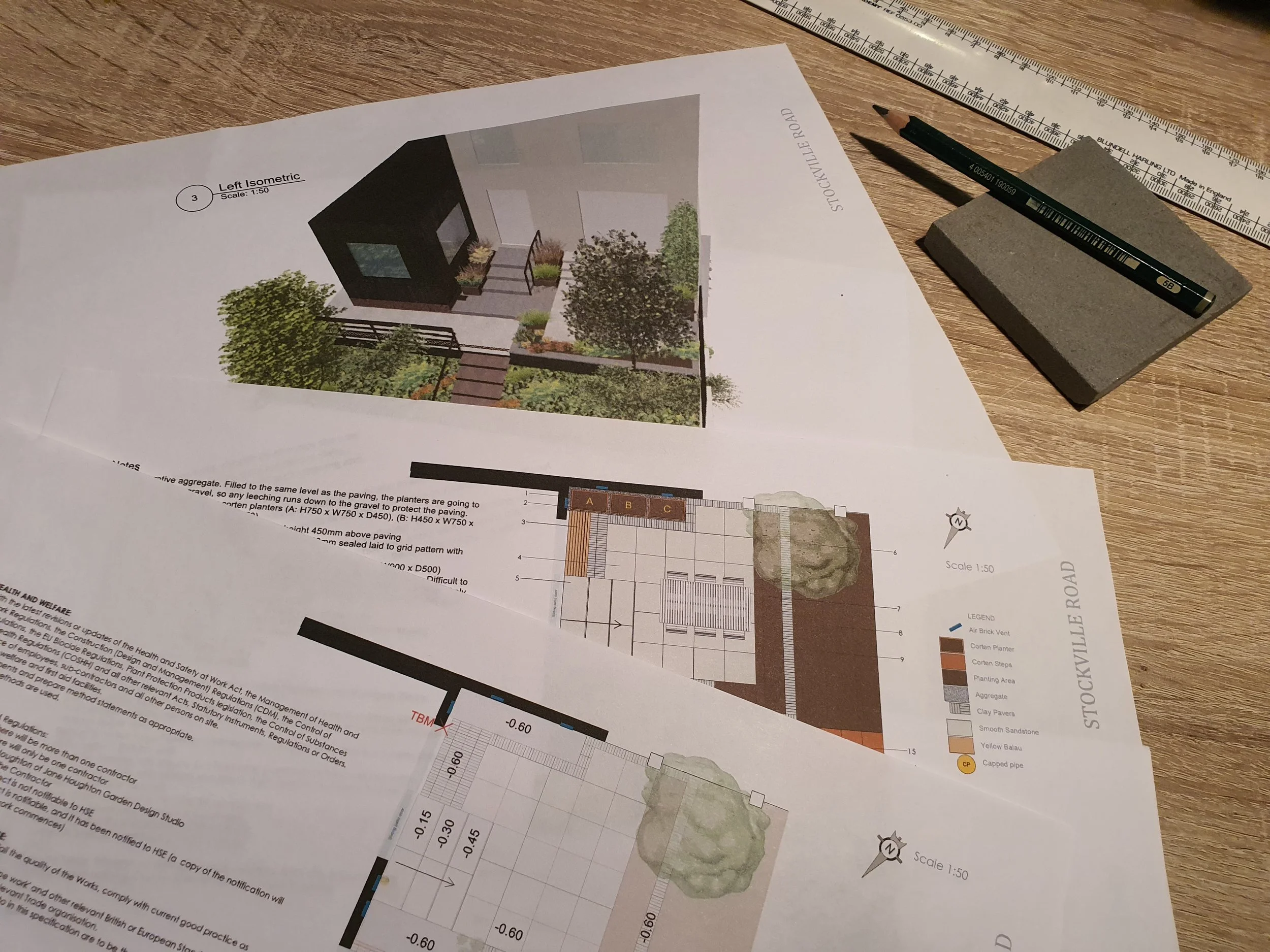
At this stage, nothing is rushed.
The relationship between house and garden is carefully established. Views are framed or softened. Spaces are shaped with intention — not simply to fill the site, but to guide how it is experienced.
This is not about adding complexity.
In many cases, the most successful gardens appear effortless.
But that apparent simplicity is rarely accidental. It is the result of decisions made early, tested carefully, and refined before anything is built.
It is often assumed that beginning construction sooner will accelerate the process.
In practice, the opposite is true.
Without a clear design framework, uncertainty emerges on site. Adjustments are made reactively. Details are resolved under pressure. And what might have been a cohesive, enduring garden becomes a series of compromises.
When design comes first, the process unfolds with greater clarity.
Contractors are able to price accurately. Materials are selected with confidence. Planting is integrated from the outset, rather than applied at the end.
The result is not only a more resolved garden, but a more efficient and considered build.
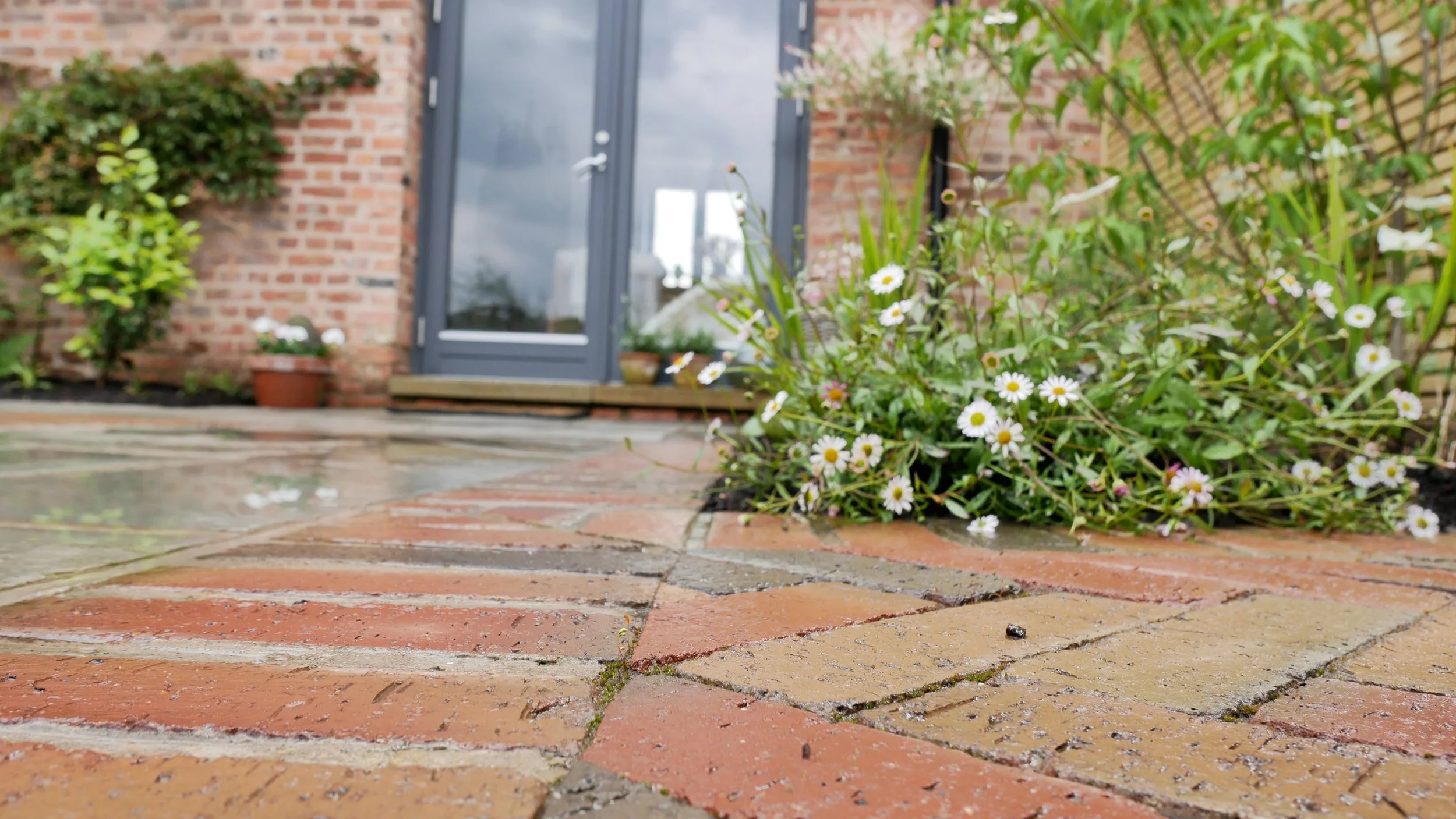
For projects of this nature, design is not a preliminary step.
It is the foundation upon which everything else depends.
A well-designed garden does not draw attention to the process behind it.
It simply feels right — settled, coherent, and entirely at ease with its setting.
If you are planning a garden where design is integral to the outcome, we welcome an initial conversation.
